

The choice of material for a plush toy greatly influences its style, price , and how it reflects your values. A highly detailed plush toy, with intricate patterns or shapes, may require a specific material suitable for printing, knitting, or more technical sewing. Conversely, a simpler design allows for greater freedom in the choice of fabrics.
Materials: accessible and versatile options
A distinction is often made between so-called conventional materials and those produced using a more responsible approach. Conventional materials include common fibers, such as virgin polyester, conventional cotton , or other synthetic fabrics. They are widely used, readily available, and do not necessarily adhere to an environmental policy.
Eco-friendly materials , on the other hand, come from more sustainable practices. These include organic cotton , recycled polyester , and natural fibers like hemp or linen. These materials can be manufactured or recycled within a more circular system. They offer a responsible dimension, even if "ecological" doesn't always mean "better in every way." For example, organic cotton may require more farmland or have different performance levels depending on the growing conditions.
When making plush toys, the material influences not only the final product but also the image you want to convey. If you want a product that's accessible and suitable for a wide audience, while also incorporating an ethical dimension, recycled polyester is a good compromise. It's slightly more expensive than virgin polyester, but it allows you to balance aesthetics, budget, and commitment. We work with several materials, including polyester, rPET, and cotton, and employ various design techniques.
| Criteria | Classic materials | Eco-friendly materials |
|---|---|---|
| Environmental impact | Higher depending on the transformation | Generally reduced: recycling, cleaner farming, less virgin oil |
| Possible style | Very wide range, very soft textures, industrially produced | Also a wide variety, but the style can be more "artisanal" premium. |
| Price level | Low to medium | Medium to high |
| Image / marketing | Standard | Valued (ecological, responsible) |
| Production complexity | Simple, well-established chain | Sometimes more logistics, checks, certifications |
Polyester: the essential material for plush toys
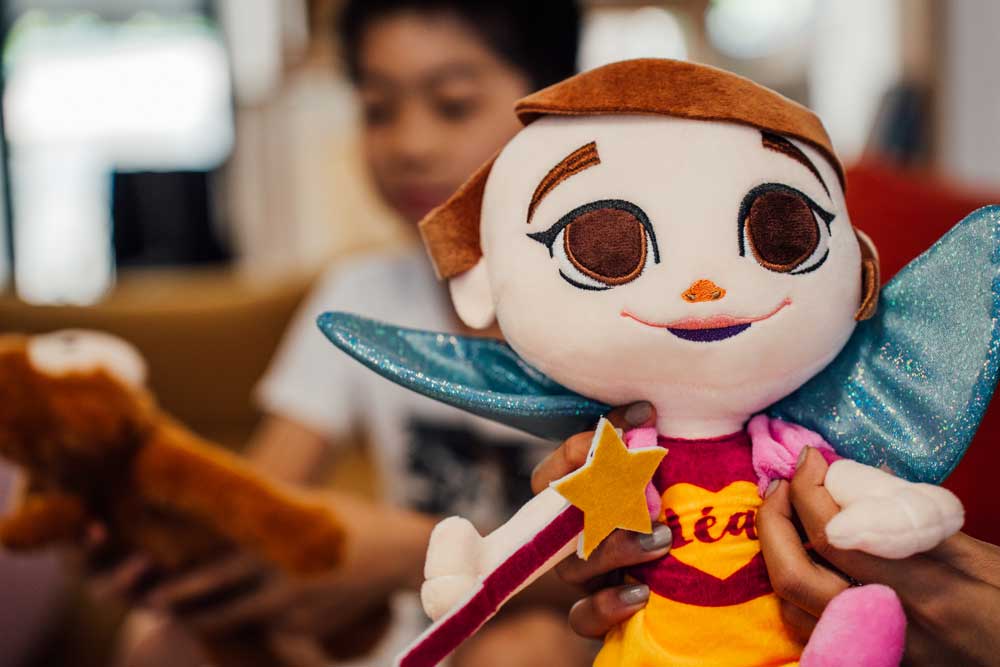
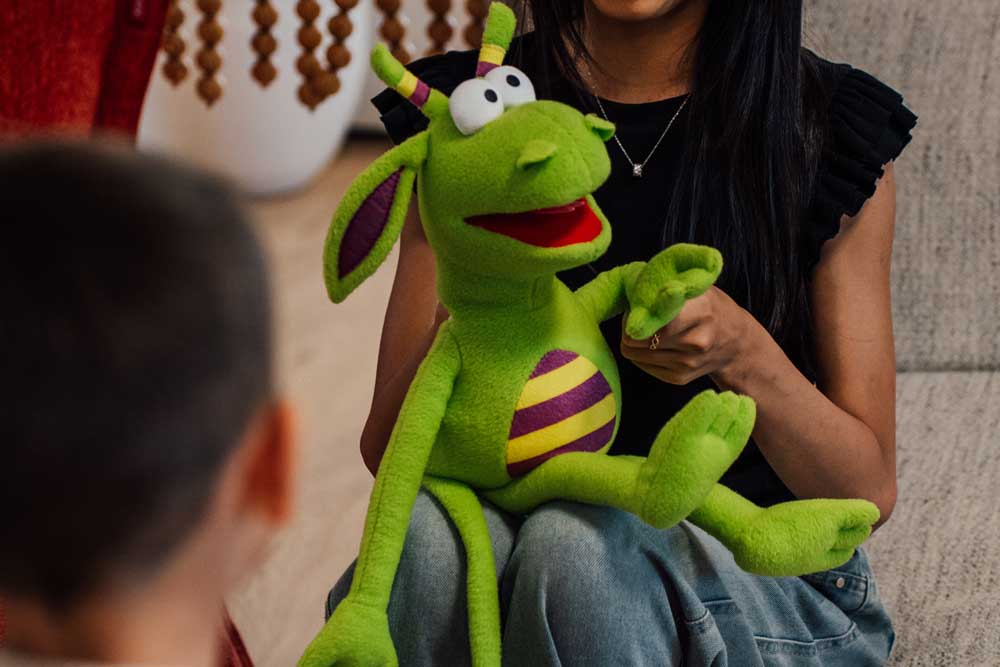
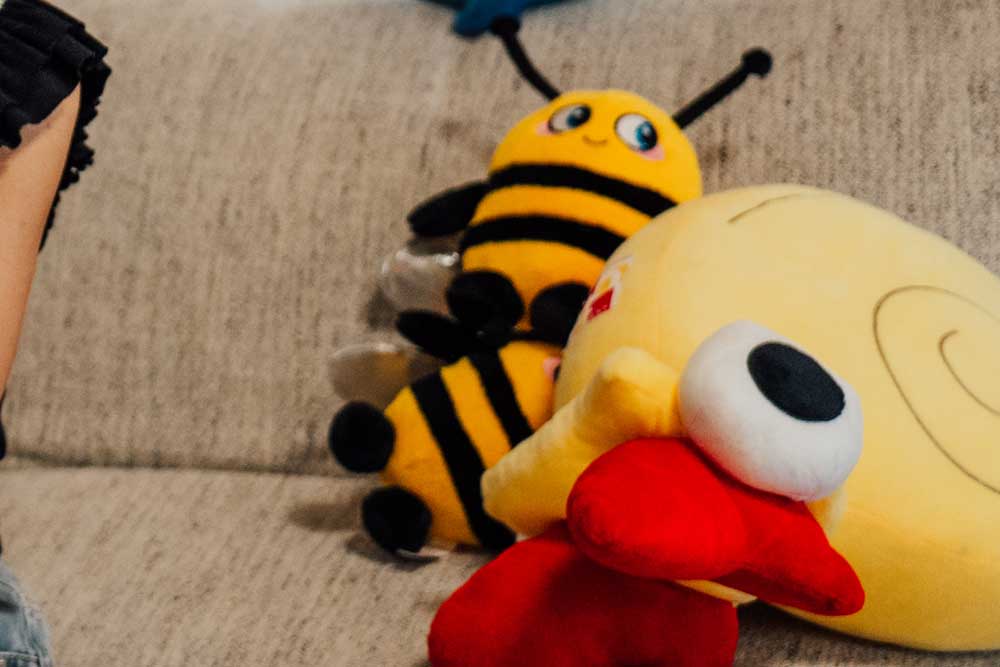
The most widely used material in the plush toy industry, polyester is prized for its versatility, softness, and durability. This makes it an essential material for both classic plush toys and more elaborate models.
Its resistance to wear and tear and repeated handling makes it a perfect material for plush creations. The color is long-lasting and doesn't fade easily. Similarly, its exceptionally soft feel is typical of a plush toy. Whether for short or long pile, velvet, minky, or curly fur, polyester is ideal. And let's not forget its excellent value. Why? Because its consistent texture minimizesfabric waste during cutting.
Recycled polyester: a responsible alternative
An alternative for a controlled CSR approach, it allows you to maintain the same qualities while reducing environmental impact. Recycled polyester offers the same strength, softness , and durability as virgin polyester. It is highly resistant to moisture and repeated washing. Aesthetically, it is equivalent to standard polyester: no visible difference. Its cost is generally 10 to 30% higher than that of conventional polyester, but it offers real added marketing value.

Printed cotton: for adding custom designs
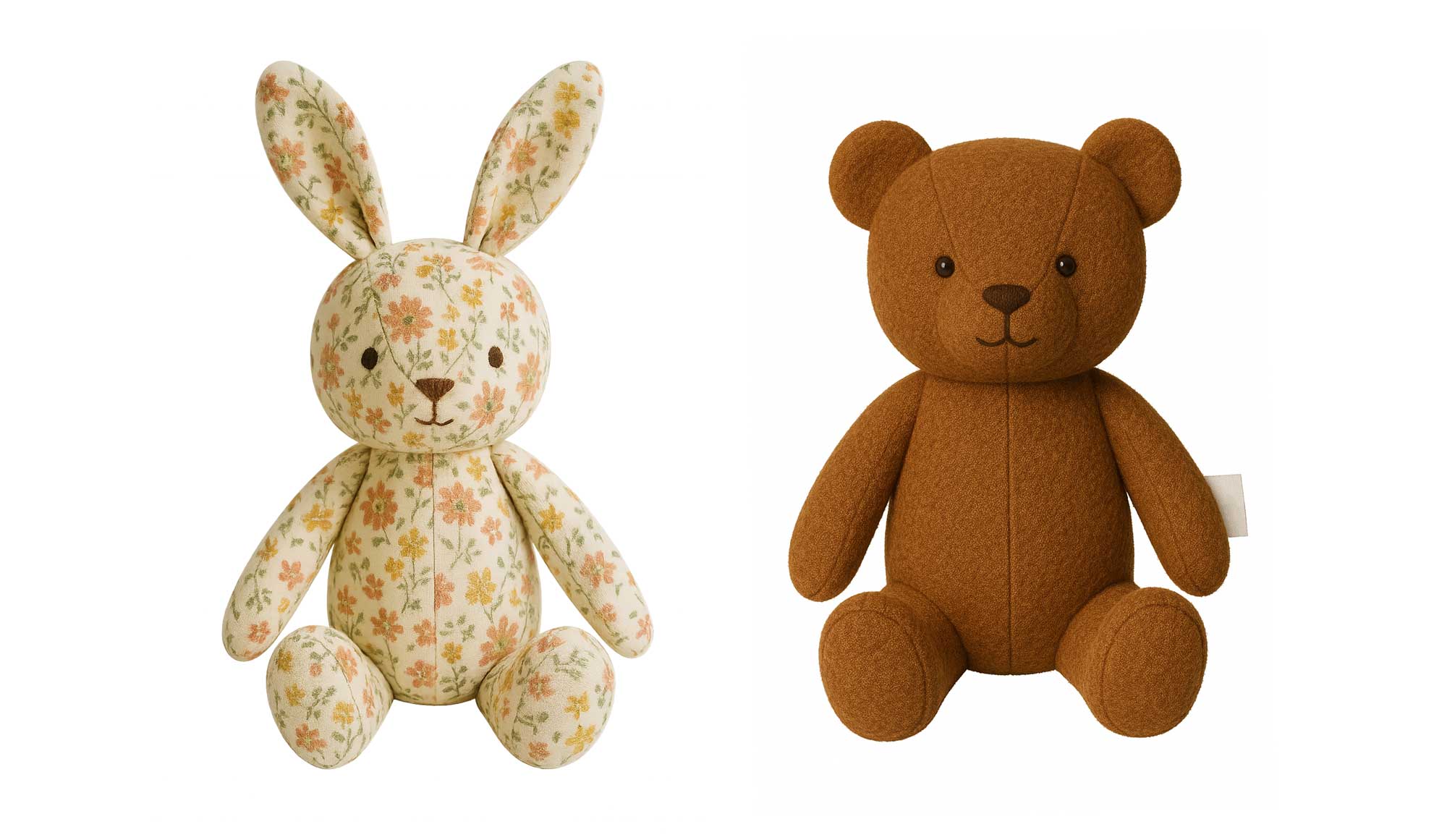
This material is used when you want to add custom patterns or graphic elements to a plush toy. Natural and breathable, printed cotton is pleasant to the touch, although not as soft as polyester. It is characterized by excellent print stability, allowing for precise and crisp designs. It allows for the integration of patterned areas on the plush toy : clothing, ears, paws, accessories, belly, etc. It gives the plush toy a more handcrafted and stylish look, perfect for standing out. The cost varies depending on the quality of the cotton and the printing technique used (digital printing, screen printing, etc.). It remains generally affordable, but a fully customized print can increase the price.
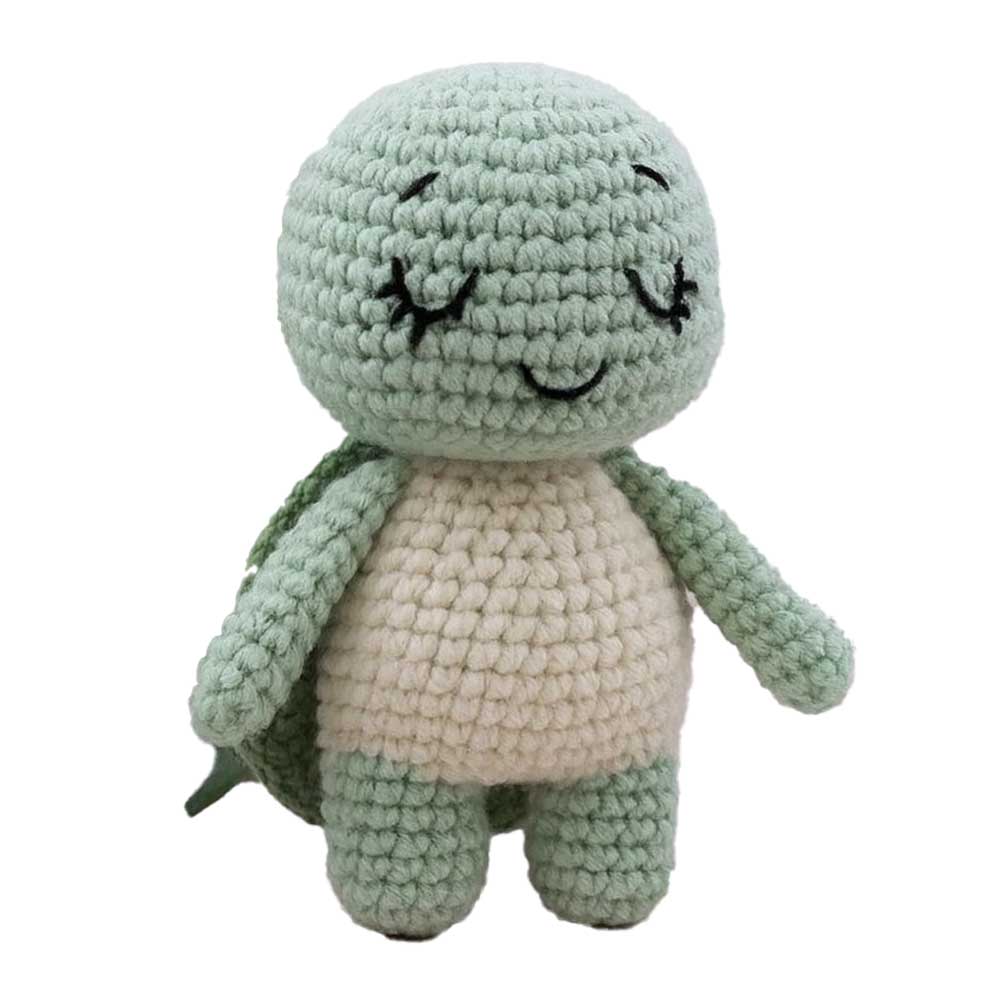
Crochet cotton, a handcrafted style
A craft-like material, often associated with handmade creations. Highly resistant to deformation, crochet has an authentic look, with only one loop worked at a time.
It conveys a warm feeling. It has a handmade look, highly valued in the slow-made and modern craftsmanship trends. It's perfect for amigurumi-style plush toys or decorative pieces. The price may be higher.
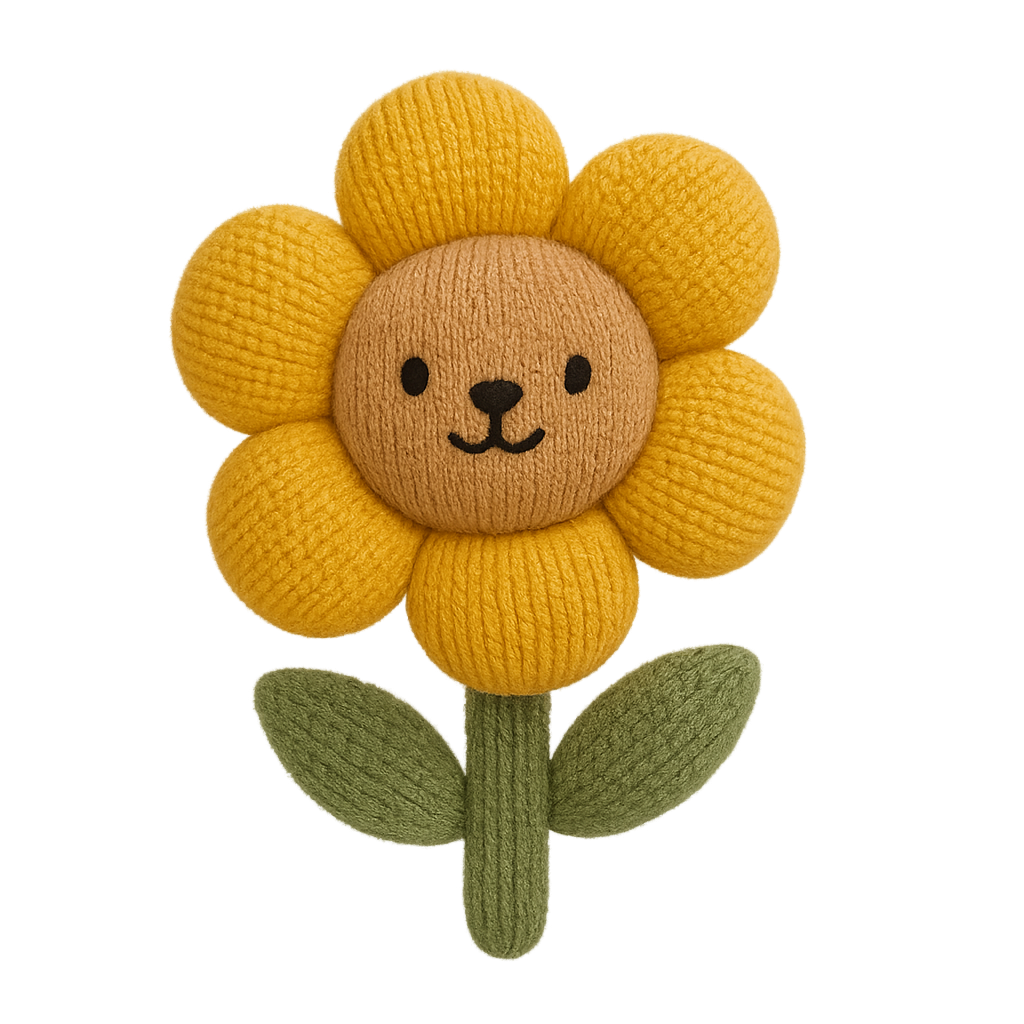
Knitted cotton, cozy feel
Used to create a cozy, Scandinavian-style "pull-up" look, very characteristic of modern toys. This material is elastic and has a soft texture, but is more like textile than "fur".
A style with open stitches that hold their shape in rows. The stitches form V-shapes. It is durable and retains its form well over time. The knitted cotton gives a warm feel, like a plush toy wearing a sweater. The material has a mid-range price: more expensive than printed cotton.
Comparative table of materials
| Matter | Candy | Resistance | Style | Price | Ideal for |
|---|---|---|---|---|---|
| Polyester | ⭐⭐⭐⭐⭐ | ⭐⭐⭐⭐ | Very versatile | € | Soft and classic plush toys |
| Recycled polyester | ⭐⭐⭐⭐⭐ | ⭐⭐⭐⭐ | Identical to polyester | €€ | Eco-friendly plush toys |
| Printed cotton | ⭐⭐⭐ | ⭐⭐⭐ | Patterns, design zones | €–€€ | Stylized plush toys |
| Crochet cotton | ⭐⭐⭐ | ⭐⭐⭐⭐ | Handmade and amigurumi | €€–€€€ | Handmade plush toys |
| Knitted cotton | ⭐⭐⭐ | ⭐⭐⭐ | Scandinavian cozy look | €€ | Modern plush toys and textiles |
When choosing the material for a plush toy, you're actually deciding on much more than just its appearance. Each fabric brings its own style, softness, durability, and even a message about your values. There's no single "right" material, but rather the one that reflects your identity, your budget, and the story you want to tell through your plush toy.
0 comments